
Short answer: For the best spring crop in Stardew Valley, match seed access to the save. Strawberries earn the most across a repeat spring when you already have seeds on Spring 1: five harvests produce 500g net per planted tile in the baseline below. In a first-year save, seeds arrive at the Egg Festival on Spring 13, so two strawberry harvests return 140g; planting cauliflower from Spring 1 and replanting after harvest gives a steadier 190g net. If the Bus is already repaired before spring, two rhubarb plantings return 240g. The best spring crop depends on when you can get the seed and what you count as “best.”
Spring is only 28 days long. A high sell price can still be a weak choice if the seed arrives late, the plant does not mature before Summer 1, or a trellis blocks a path you use every morning. This guide compares a full-season net total, not just the value of one crop. It also keeps random bonuses out of guaranteed totals, so you can see which result is repeatable and which depends on luck.
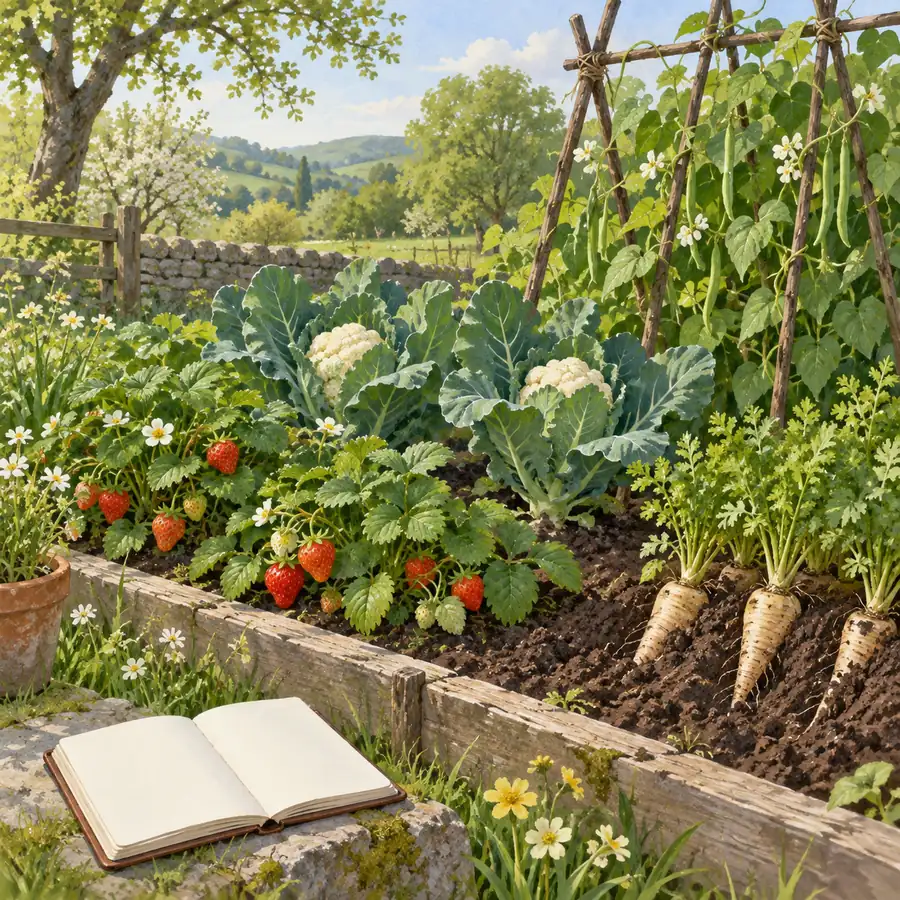
What “best spring crop” means in a 28-day season
Three questions often get mixed together: which crop has the highest sale price, which crop earns the most net gold over spring, and which crop fits a particular save. They have different answers. A cauliflower sells for more than a strawberry, but a strawberry keeps producing after its first harvest. A crop that can be bought on Spring 1 has more time than one sold only at the Spring 13 Egg Festival.
The comparison uses normal-quality base prices, one planted tile, and a 28-day spring. Net gold is all harvests × normal sell price − every seed planted. A single-harvest crop is replanted on the harvest day when another full spring harvest is possible. No fertilizer, farming profession, artisan processing, quality bonus, or tool cost is included. This is a clear baseline rather than a guarantee for every save.
Year 1 assumes a new save without the Bus repaired. Strawberry seeds are bought at the Egg Festival on Spring 13. The repeat-season strawberry example assumes seeds were saved or produced before Spring 1. Rhubarb assumes access to the Desert and is not a normal first-year choice before the Bus is repaired.
Best spring crops in Stardew Valley by situation
The table separates a repeat spring from the seed timing of Year 1. “Net” subtracts all seed purchases for the listed plan. It does not add random extra potatoes or a giant cauliflower, and it does not value a crop as juice, wine, or pickles.
| Crop and use case | Seed and schedule | Base harvests | Seed spend | Net spring return |
|---|---|---|---|---|
| Strawberry Best repeat-season total when seeds are ready | 100g; plant Spring 1, first fruit Spring 9, then every 4 days | 5 × 120g = 600g | 100g | 500g |
| Rhubarb Strong Desert-access option | 100g each; two 13-day plantings, Spring 1 and Spring 14 | 2 × 220g = 440g | 200g | 240g |
| Cauliflower Reliable first-year day-one choice | 80g each; plant Spring 1 and replant on Spring 13 | 2 × 175g = 350g | 160g | 190g |
| Green Bean Many harvests from one seed | 60g; plant Spring 1; first harvest Spring 11, then every 3 days | 6 × 40g = 240g | 60g | 180g |
| Kale Fast, repeatable store-seed crop | 70g each; four 6-day plantings beginning Spring 1 | 4 × 110g = 440g | 280g | 160g |
| Strawberry in Year 1 Festival seed with a short runway | 100g; buy and plant Spring 13, then regrow every 4 days | 2 × 120g = 240g | 100g | 140g |
| Potato Flexible early crop with a random bonus | 50g each; four 6-day plantings beginning Spring 1 | 4 base potatoes = 320g, plus possible extras | 200g | 120g base; extra yield varies |
For a repeat spring, saved Strawberry seeds are the clear base-return leader. In a first year, the day-one Cauliflower plan edges the predictable alternatives under this exact model. A lucky Potato save can do better than its base row, but it is not a guaranteed result. If the Bus is repaired before spring, Rhubarb can be planted twice; its 240g net beats the base Green Bean and Kale plans but remains below the repeat-season Strawberry route.
Best spring crops for Year 1: plan around the seed calendar
At the beginning of a new save, choose between crops that Pierre sells right away and Strawberry seeds that appear later. If you want predictable seed-to-sale value from Spring 1, plant Cauliflower and use the first harvest to start a second batch on Spring 13. The two harvests arrive on Spring 13 and Spring 25. This uses two seed packets and returns 190g net before bonuses.
Strawberry seeds are a different kind of first-year investment. The Egg Festival takes place on Spring 13. Buying seeds there and planting them that day leaves time for harvests on Spring 21 and Spring 25. That is 240g of base sales from one 100g seed, or 140g net. The fruit also makes the seeds useful for a later year if you save one or produce more; that later-year payoff should not be mistaken for first-year cash.
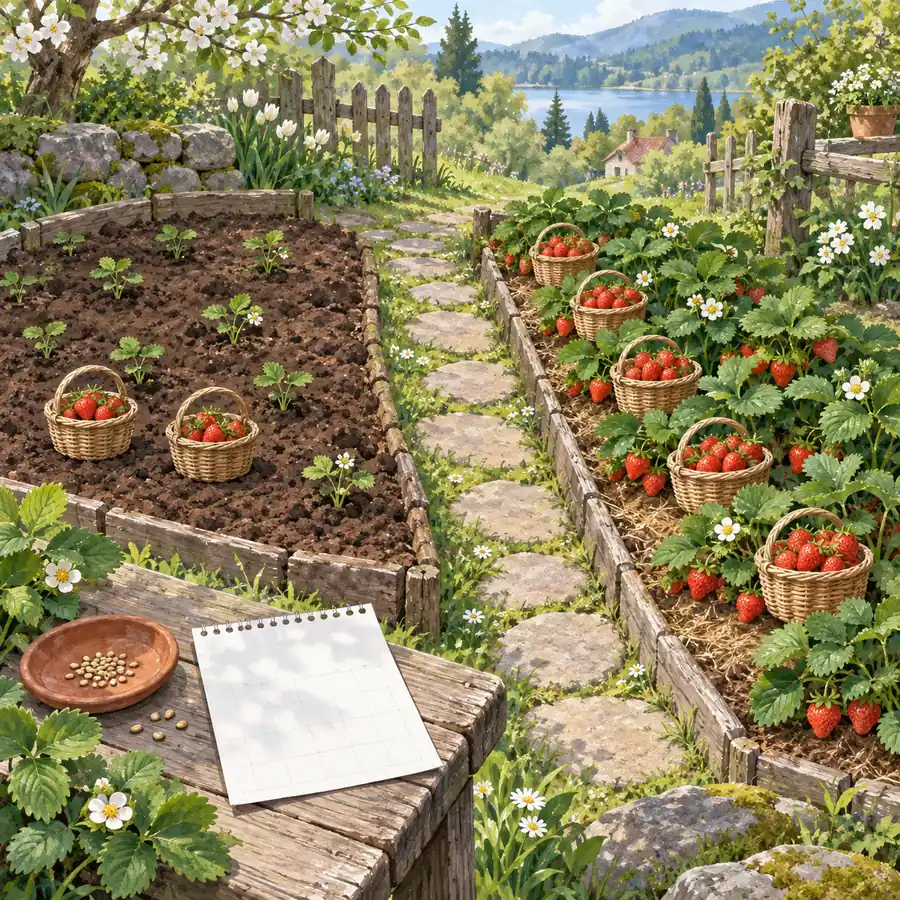
Use the festival day deliberately
If you choose strawberries, decide how many seeds you can afford before walking into the festival. Keep enough energy and time for the rest of the day, return to the farm, and plant the seeds before sleeping. The exact result assumes planting on Spring 13; waiting until Spring 14 removes one possible harvest. Do not spend the whole seed budget if you still need money for tools, backpack space, or bundle items.
What if the goal is the Community Center?
The highest net crop is not automatically the right crop for a first-year plan. Cauliflower, Green Bean, and Parsnip have seasonal bundle or request value, while Strawberry seeds come from the festival rather than Pierre's daily stock. Reserve a crop needed for a bundle or quest before selling the full harvest. For the rest of the farm, combine one money crop with a small goal-driven patch instead of asking every tile to maximize gold.
Repeat spring and Year 2: when Strawberry or Rhubarb wins
On Spring 1 of a later year, a Strawberry seed can be planted immediately if it was saved or made with a Seed Maker. The first harvest is Spring 9, followed by Spring 13, 17, 21, and 25. Five fruits sell for 600g at normal quality; subtracting one 100g seed leaves 500g net for the season. Without seed access on Spring 1, do not use that figure to describe a first-year Egg Festival purchase.
Rhubarb is useful once the Bus is repaired and the Desert shop is available. It takes 13 days and is a single-harvest crop. Plant on Spring 1, harvest on Spring 14, replant that day, and harvest again on Spring 27. Two seeds cost 200g and two normal Rhubarb sell for 440g, leaving 240g net. It is a solid one-and-done option for players who do not want to manage a trellis or revisit a short regrowth cycle.
Compare the total by your own seed access. A Year 2 player who saved Strawberry seeds has more seasonal return in this model; a player who did not save them can use Rhubarb if the Desert is open, or continue with store seeds. The answer changes with the state of the save, not with a universal “best crop” ranking.
Regrowth, trellises, and random bonuses change the practical pick
Green Beans regrow from one seed, so the base plan gives six beans from Spring 11 through Spring 26. That saves replanting costs, but the crop grows on a trellis. A trellis tile cannot be walked through, which matters when a field sits between the farmhouse, chest, and shipping bin. Put trellises at the edge or in a dedicated row before maximizing their count.
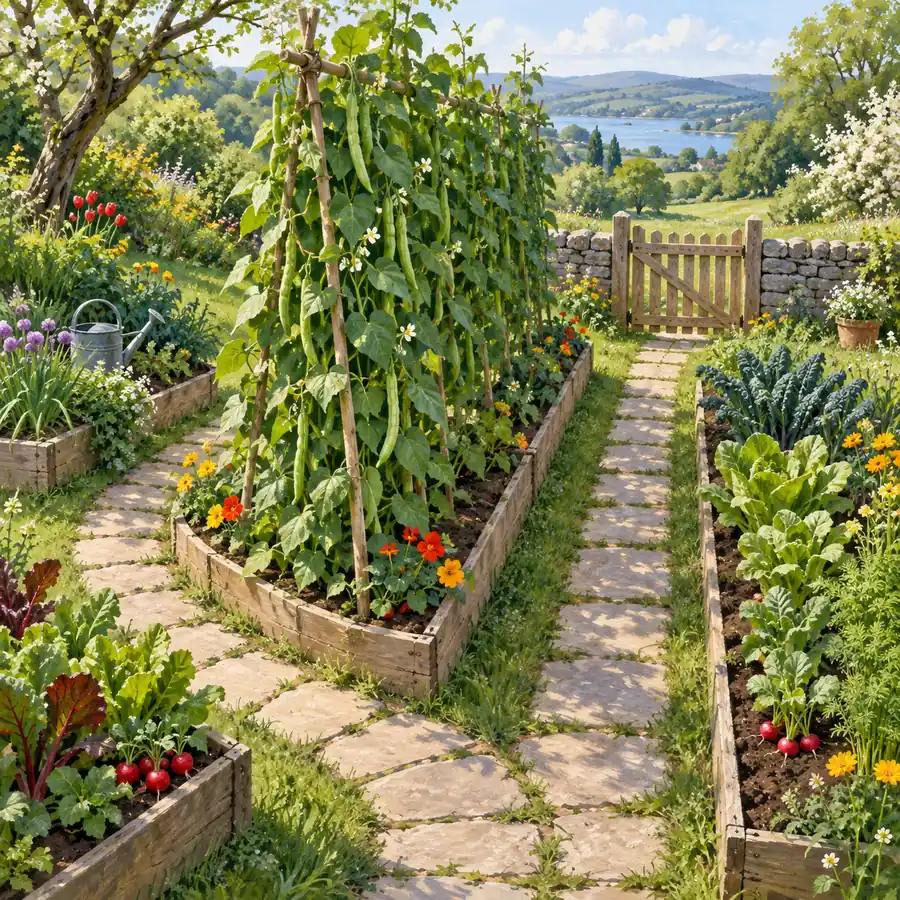
Potatoes have a chance to produce extra tubers, so their actual gold varies. Giant crops are another bonus, but they need a suitable planted block and are not part of the guaranteed Cauliflower total. Keep the baseline row separate from these outcomes when comparing guides; otherwise a lucky result can look like a repeatable rule.
Finally, “highest return” is not always “best morning.” A crop that ripens all at once may fit a day spent in the mines; a regrowing crop may suit a farm route that passes through its field. Consider watering effort, the tool upgrade calendar, storage, bundle goals, and path access alongside gold. These costs do not change the seed-and-sale arithmetic above, but they can change what feels efficient in an actual save.
Check a different farm plan with the crop margin calculator
The home-page Stardew Valley crop margin calculator lets you adjust seed cost, sale price, growth days, harvest count, and extra cost. Use it to test a different crop or price assumption. Its output is arithmetic for the values you enter; it does not automatically know that Strawberries arrive on Spring 13, that a single-harvest crop needs a new seed, or that a trellis blocks movement.
For a seasonal scenario, enter the total number of sale items as the harvest count and make sure the seed-cost field includes every planting. Divide by the season length only if you want a simple per-day comparison. Keep your own date schedule beside the result so a crop that matures after Summer 1 is not mistakenly counted as a spring harvest. The farm layout guide can help you keep repeat-harvest crops near a route without blocking the center of the field.
Planning the next season? Compare Stardew Valley fall crops by repeat harvests, seed cost, and late planting dates.
Spring crop questions
What is the best spring crop in Stardew Valley for Year 1?
With Pierre's Spring 1 seed access and the stated base-price assumptions, two Cauliflower plantings return 190g net per tile. A Spring 13 Strawberry seed gives two fruits and 140g net. Potatoes can produce extra tubers, so an individual save may differ; a repaired Bus and Desert access also make Rhubarb possible.
How many times can you harvest Strawberries in spring?
If you plant a saved seed on Spring 1, the baseline schedule gives five harvests: Spring 9, 13, 17, 21, and 25. If you buy seeds at the Year 1 Egg Festival and plant on Spring 13, there are two harvests: Spring 21 and 25.
Is Rhubarb a repeat-harvest crop?
No. Rhubarb is a single-harvest crop. Two plantings can fit if the Desert is available from Spring 1: plant on Spring 1, harvest and replant on Spring 14, then harvest on Spring 27.
Can a Potato be the most profitable spring crop?
It can beat its base-table result in a lucky save because a Potato plant may yield extras. The table counts four guaranteed base potatoes and lists the bonus separately instead of treating chance as a fixed harvest.
Do Green Beans block movement in Stardew Valley?
Green Beans grow on trellises, and trellises block walking. Put them along a field edge or in a row with a clear way around it if you want the repeat harvest without cutting across a daily route.
Do fertilizer and the Tiller profession change these totals?
Yes. They can change growth timing, crop quality, or sale value. The table holds those effects out so its arithmetic stays comparable; apply your save's bonuses separately and verify that the crop still matures before Summer 1.
Does the crop margin calculator know the best spring planting schedule?
No. The home-page calculator uses the values entered into its fields. Add each seed purchase to the seed cost and enter the total sale items as harvest count; track Spring dates and trellis access separately.
Bottom line
For a repeat spring with seeds ready on day one, Strawberries lead this base-season comparison at 500g net per tile. For a first-year save, the Egg Festival leaves Strawberries only two harvests; a day-one Cauliflower plan is the stronger predictable total in the listed baseline. Rhubarb needs the Bus and Desert access, Green Beans trade open walking lanes for repeat fruit, and Potatoes can vary. Check the seed calendar first, then choose the crop that fits the save you actually have.
Sources and scope: Stardew Valley Wiki: Crops, Strawberry, Rhubarb, Green Bean, Potato, Cauliflower, and Kale. Crop values use the site's recorded 1.6.15 PC base-price snapshot, verified 2026-08-11 and cross-checked against the crop pages on 2026-09-23. The version-history page timed out during this check, so this is not a claim that 1.6.15 is the latest game version. Figures exclude quality, fertilizer, professions, artisan processing, and random bonuses.